Diamonds vary in color, shape, and size — but there’s much more to these precious stones than meets the eye. You’ve likely heard of the 4 C’s: Color, Clarity, Cut, and Carat Weight. But what really sets top online diamond retailers apart? Keep reading to discover the practices of industry leaders.
Every diamond is one of a kind—whether it’s mined from the earth or created in a lab. While flawless diamonds do exist, most of the stones featured in engagement rings and fine jewelry have natural imperfections. Choosing the right diamond is a personal decision, shaped by your preferences in size, shape, and overall value. Whether you’re shopping for real diamond earrings, rings, pendants, or bracelets, it’s important to consider the diamond’s clarity, cut, color, and carat weight. Understanding the 4Cs of Diamonds will help you make a confident, informed purchase.
Diamond cut
Founded with a vision to bring timeless elegance to everyday moments, Mavitrra is a celebration of refined artistry, authenticity, and legacy.
At the heart of it all is Bindu Sharma Has been
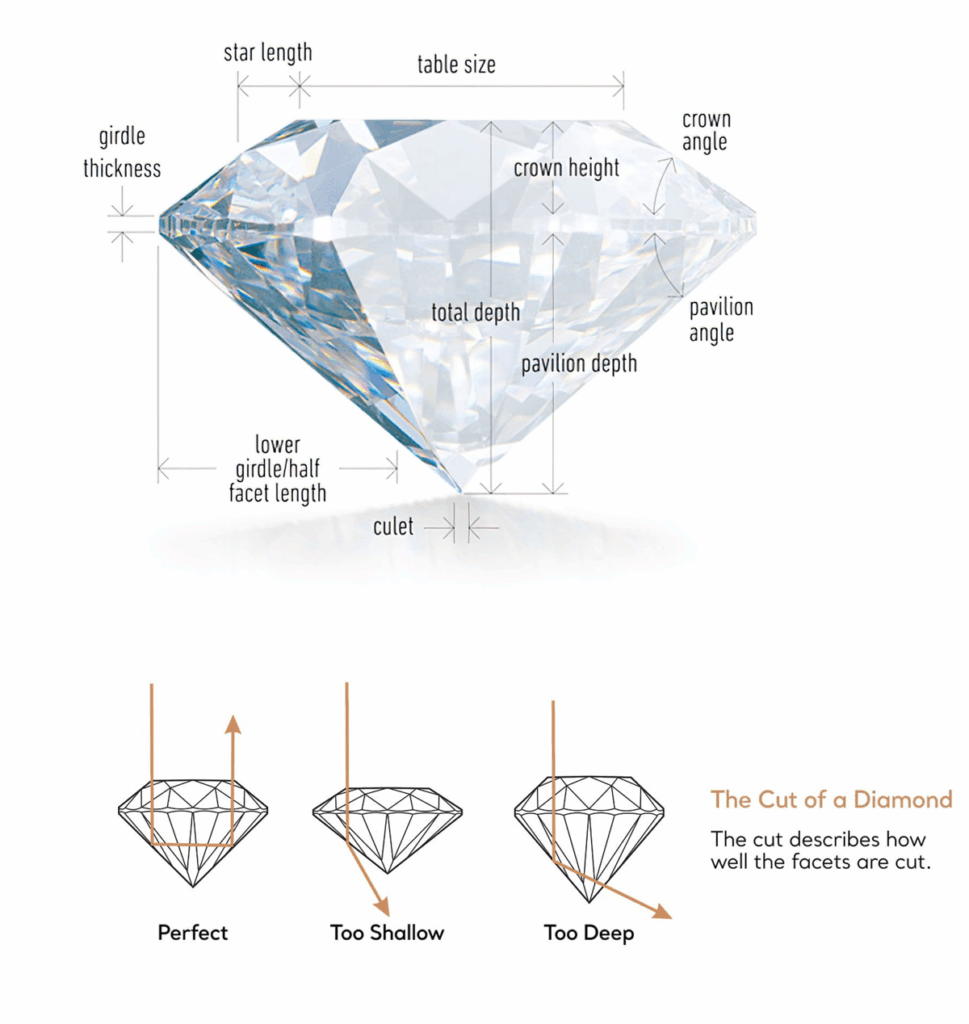
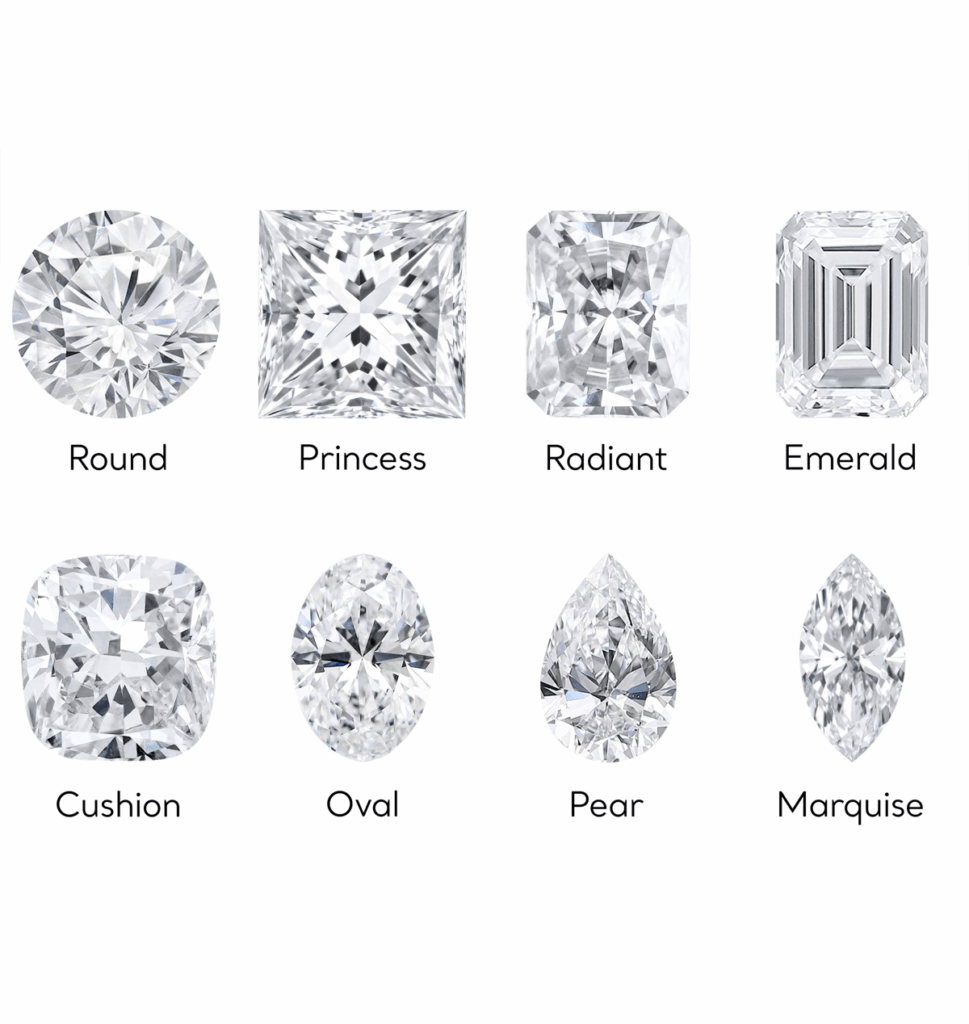
The term cut refers to the geometric proportions of a gemstone and plays a key role in how much sparkle a diamond gives off. Once the diamond’s shape is chosen, its facets are carefully cut to refract light like a prism—creating the stone’s signature fire and brilliance. A well-cut diamond is designed to reflect the maximum amount of light, resulting in exceptional shine. Ideal cuts also feature precise symmetry, excellent polish, and a high luster, all of which contribute to the diamond’s overall beauty.
Here is the diamond cut scale:
Ideal
Premium
Very Good
Good
Fair & Poor
Diamond Color
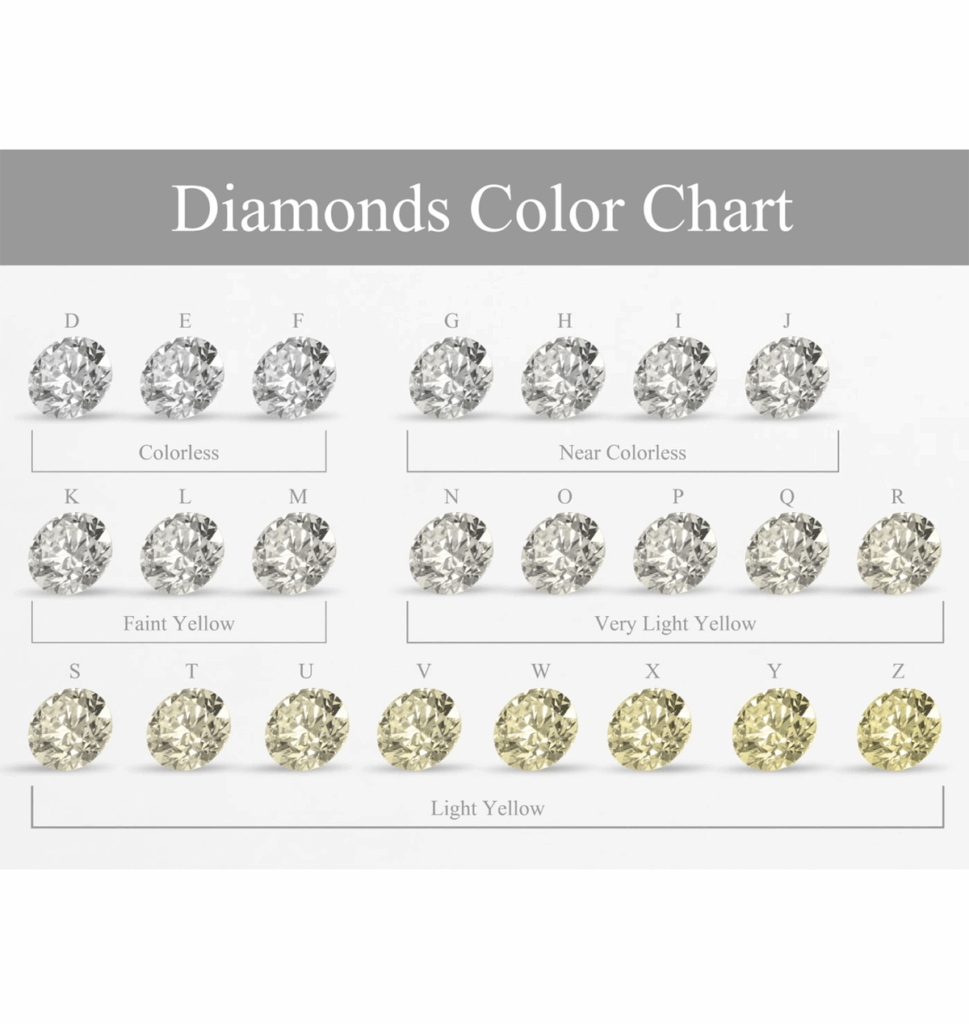
The diamond color chart measures how colorless a diamond is, with each grade representing a subtle range.
K–M (Faint Yellow): Hints of yellow; more visible in larger stones.
N–R (Very Light Yellow): Light yellow tone, noticeable even when set.
S–Z (Light Yellow): Clearly yellow, visible in all settings.
The right color depends on your preference, budget, and jewelry setting.
Diamond clarity
Every Mavitrra piece is made with intention, style, and substance—crafted from natural, ethically sourced diamonds and designed to mark your milestones, carry your memories, or simply reflect your unique energy.
Whether it’s a shape you love, a date you treasure, or a design you dreamt of, we bring it to life with precision and soul. We don’t follow trends. We follow you.
Diamond carat
Founded with a vision to bring timeless elegance to everyday moments, Mavitrra is a celebration of refined artistry, authenticity, and legacy.
At the heart of it all is Bindu Sharma Has been working in the design & Creative world since 2009 and has worked with many esteemed clients. Her journey began with a single sketch and a belief that jewelry should speak—not just sparkle. With a strong foundation in design and a passion for Indian craftsmanship, Bindu has shaped Mavitrra into a brand that blends meaning, minimalism, and magic. From signature bridal pieces and contemporary classics to diamond temple jewellery and traditional heirlooms—you name it, we make it.
Diamond shape
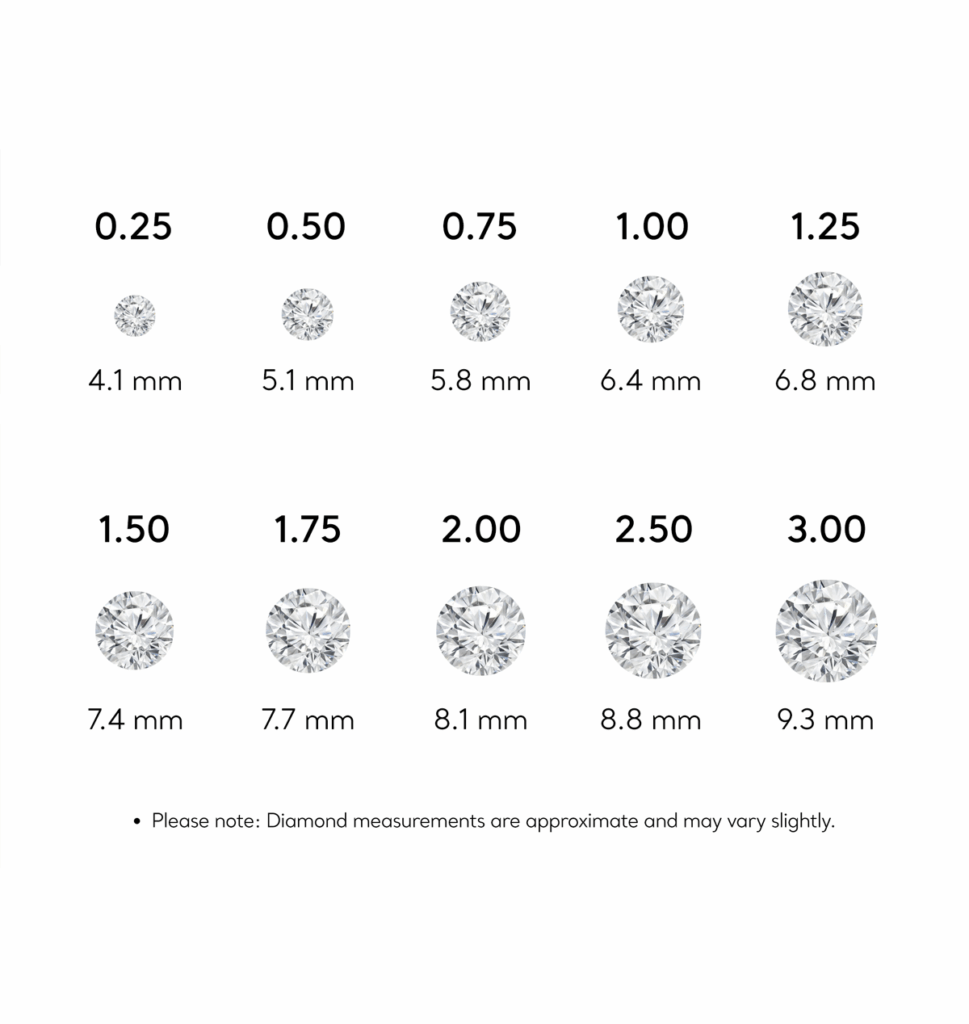
Carat is a unit of weight used for diamonds, equal to 200 milligrams (or 1/5 of a gram).
Key Points:
Carat = Weight, Not Size: Two diamonds with the same carat weight can appear different in size based on their cut and shape.
Larger = Rarer: Bigger diamonds are rarer and cost significantly more per carat. For example, a 4-carat diamond can be up to 10 times more expensive per carat than a 0.5-carat diamond.
Choose Wisely: Consider your partner’s style, finger size, and the ring’s setting when picking the right carat weight.